01
Mark sitting points
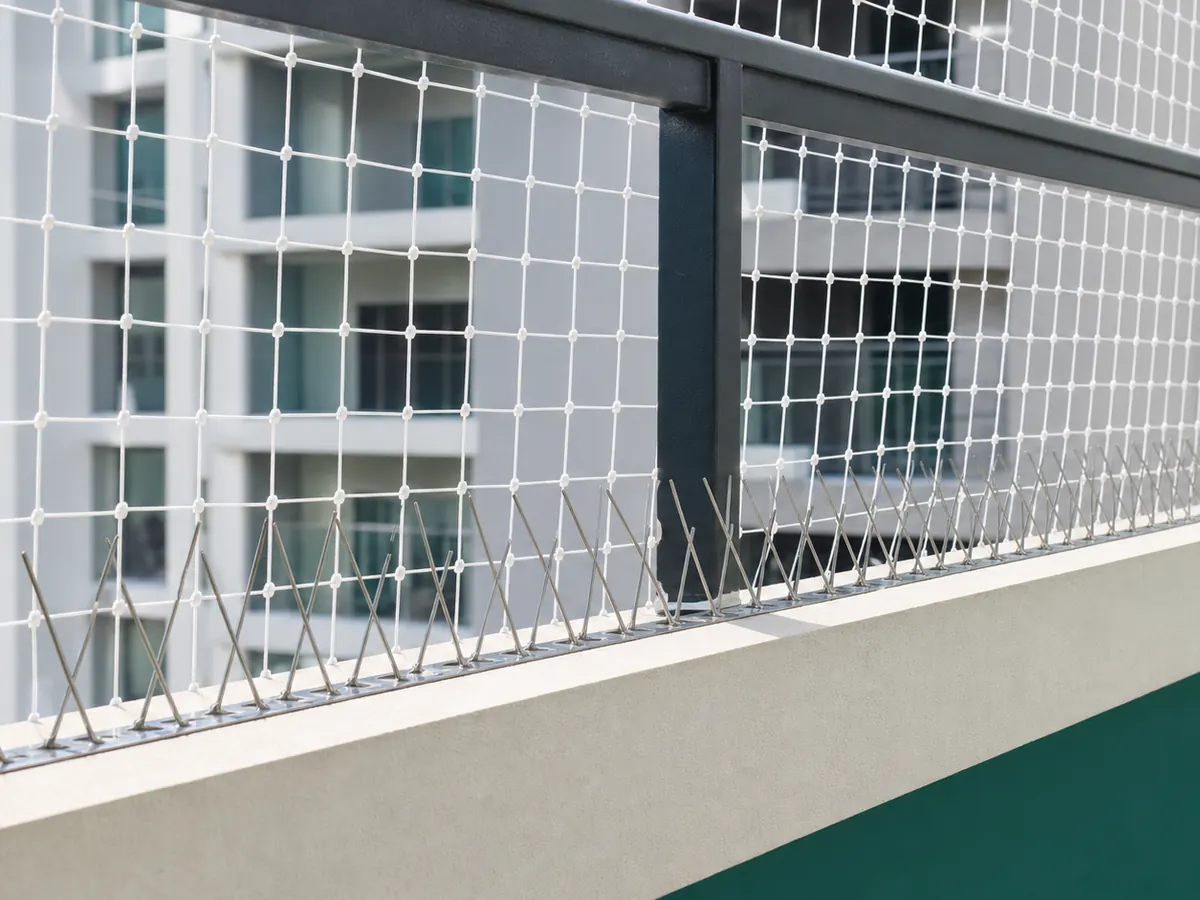
We identify the ledges, pipe tops, AC areas, signs, or parapets where birds actually land.
Bird spike fitting
Bird spikes work well when birds are sitting on a narrow edge, not entering a whole balcony or shaft.
We check the ledge width, surface, cleaning access, and nearby bird paths before deciding where spikes should go.
Faster quote
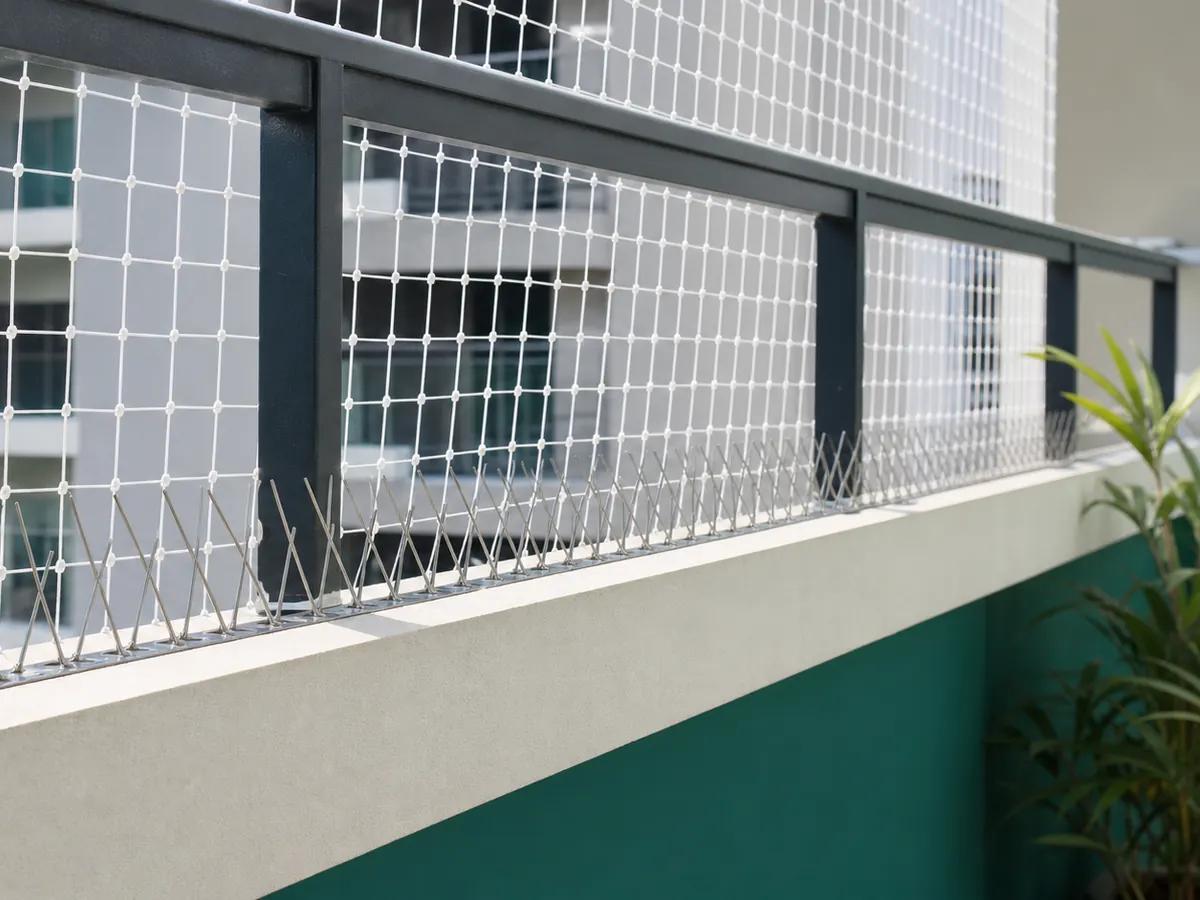
Send one wide photo, one close photo of the fixing side, and your pincode or nearby landmark.
Site Check
The right fitting depends on the opening, the surface, the access, and how the space is used after the work is done.
01
We identify the ledges, pipe tops, AC areas, signs, or parapets where birds actually land.
02
The fixing line needs a clean surface so the spike base can sit properly.
03
Spike rows are aligned across the sitting edge with no easy gap at the ends.
04
If birds can shift to the next ledge, we point that out before finishing.
Material Choice
Size, exposure, wall strength, daily use, and access all change what should be fitted.
Used for a longer-lasting ledge barrier where the surface allows fixing.
A low-profile base that sits along the ledge or parapet line.
Used only where the surface is clean and suitable for bonding.
Used on selected surfaces where mechanical fixing is safer.
Compare
| Option | Works For | Note |
|---|---|---|
| Bird spikes | Ledges, AC tops, parapets, signs | Right for stopping birds from sitting on narrow edges. |
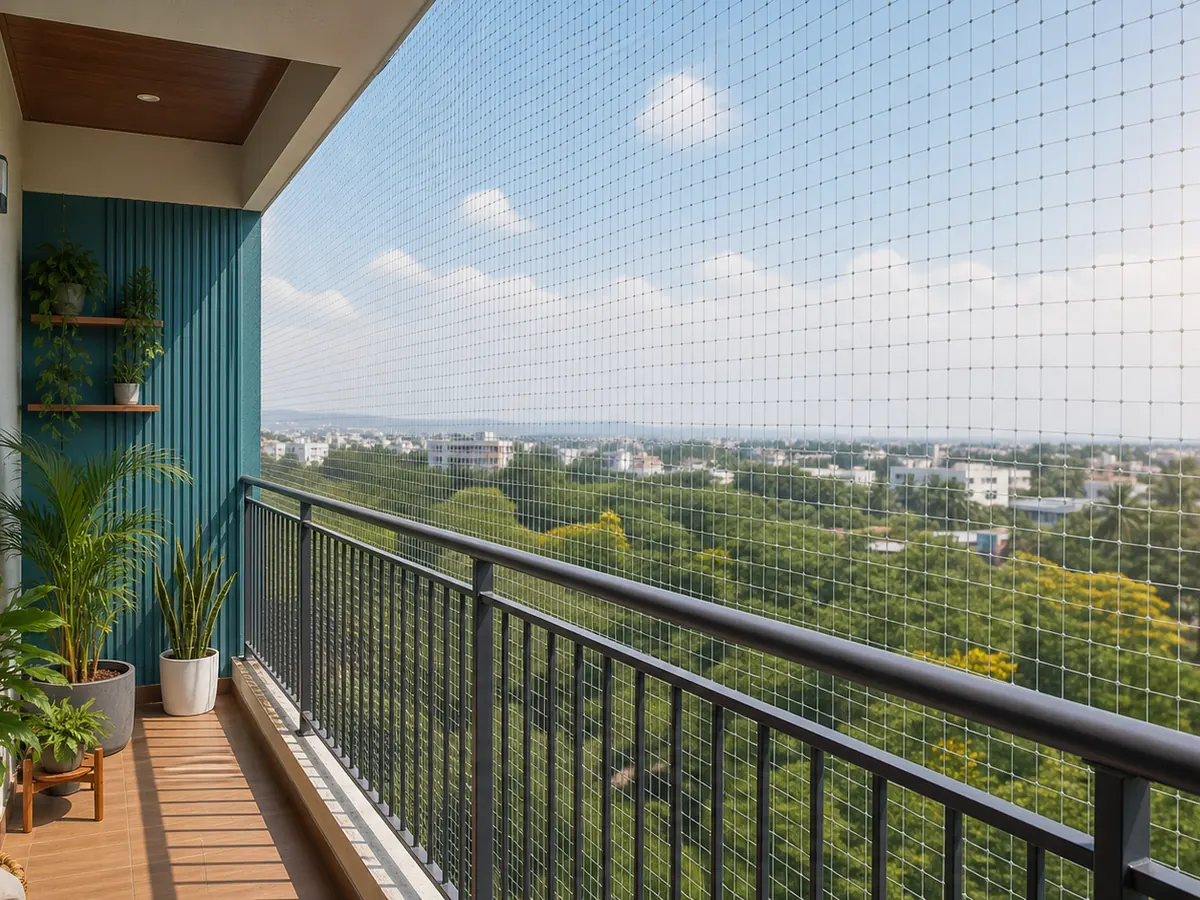
| Pigeon net | Balconies, shafts, ducts, large openings | Better when birds are entering a space. |
| Repellent gel | Temporary use on small spots | Can collect dust and may need more maintenance. |
Working Style
We only suggest spikes where birds are using an edge as a sitting point.
The row length is measured so end gaps are not left open.
We explain when a pigeon net will work better than spikes.
The fitting is kept low-profile so the edge does not look cluttered.
Area Links
Start with a nearby area when the site condition, access, or building type is close to what you need.
Questions
They are meant to stop birds from landing on the edge. They are not used to trap birds.
Common spots include ledges, parapets, AC unit tops, signage edges, and balcony corners.
Only for narrow sitting edges. For open balconies and ducts, netting usually works better.
Yes. Dust and droppings have to be cleared so the base can hold properly.
They can usually be removed, but marks may remain depending on the fixing method and surface.